Ketu Jaap
Ketu Mantra Jaap is a specialized Vedic astrological ritual dedicated to Ketu Dev (the South Node of the Moon), the shadow planet of spirituality, detachment, and sudden karmic shifts. This chanting practice is performed to pacify a malefic, weak, or poorly transiting Ketu in a birth chart, transforming chaos, confusion, and fear into spiritual evolution, sharp intuition, and protection from unseen dangers.
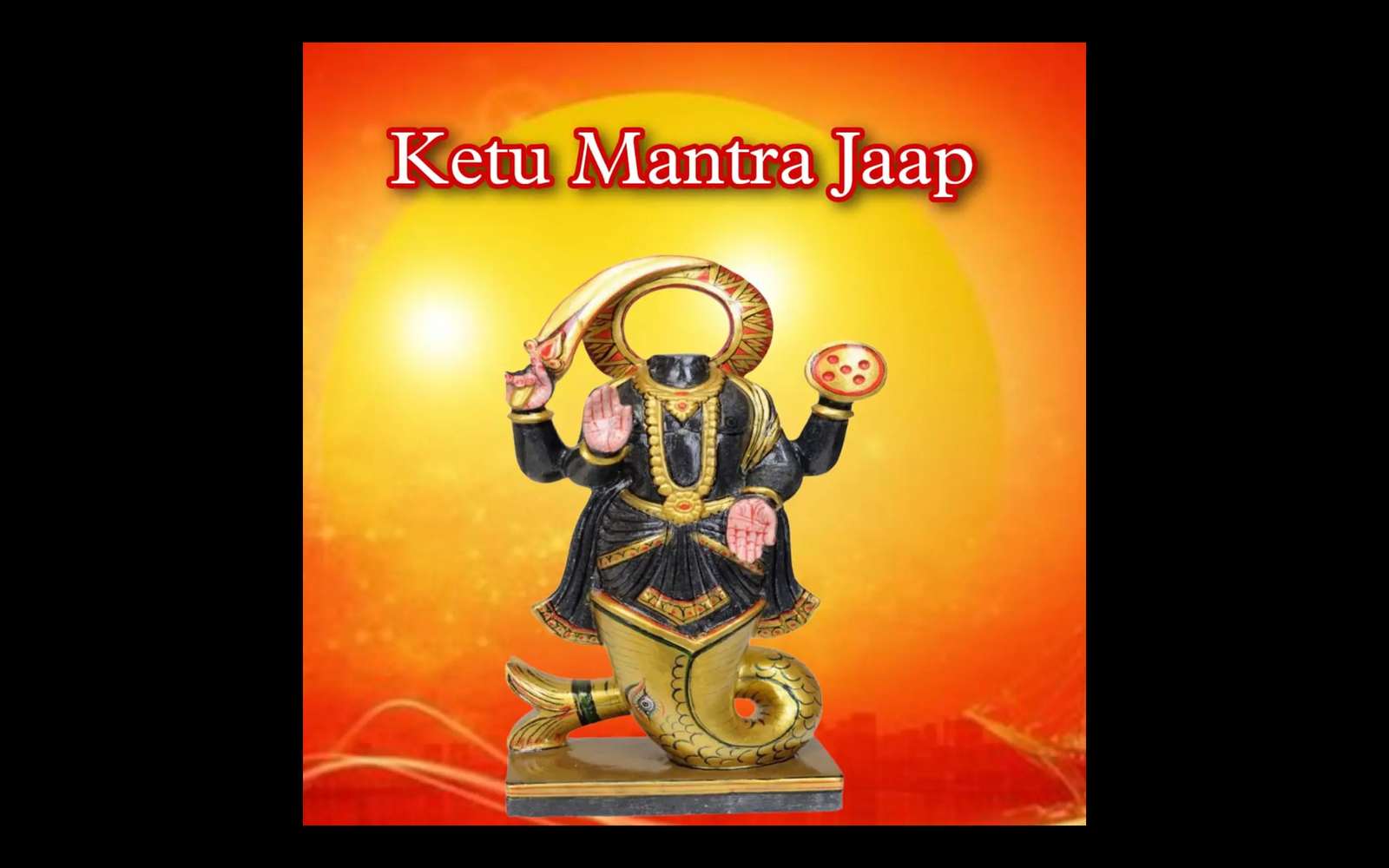
In Vedic astrology, Ketu Dev is known as a shadow planet (Chhaya Graha) and represents the lower body of the celestial serpent demon Swarbhanu, who was decapitated by Lord Vishnu's Sudarshana Chakra during the churning of the cosmic ocean. As accurately captured in the image, Ketu is traditionally depicted as a headless, torso-only deity with the lower body of a serpent or fish tail, holding weapons like a sword and a shield. Because he lacks a head, Ketu operates purely on gut instinct, intuition, and subconscious memories from past lives.
Ketu is considered the Moksha Karaka—the cosmic significator of spiritual liberation, material detachment, and occult wisdom. However, when poorly placed, retrograde, or tightly conjunct with luminary planets in a horoscope (causing severe afflictions like Ketu Dosha or Kaal Sarp Dosha), it can manifest as sudden financial downfalls, mysterious illnesses, extreme mental confusion, identity crises, isolation, and betrayal by close peers. Performing Ketu Mantra Jaap serves to soothe this chaotic energy, aligning the devotee's mind with higher consciousness and stabilizing sudden worldly upheavals.
Alleviates Astro-Afflictions: Neutralizes the intense negative impacts of Ketu Dosha, malefic planetary transits, and difficult Ketu Mahadasha or Antardasha cycles.
Enhances Intuition & Spiritual Growth: Sharpens the subconscious mind, heightens gut instincts, and clears the path for profound meditative and philosophical breakthroughs.
Removes Fear & Mental Confusion: Dissolves deep-seated anxieties, unexplained phobias, recurring nightmares, and overwhelming feelings of isolation.
Protection Against Unseen Dangers: Acts as an invisible energy shield, protecting the devotee from sudden accidents, litigation, hidden enemies, and toxic betrayals.
Improves Physical Health: Helps remedy mysterious ailments that are difficult to medically diagnose, particularly those related to the skin, bones, nervous system, and allergies.
1. Preparation & Timing
The Ideal Day: The ritual is best initiated or performed on a Tuesday or a Saturday, which share friendly elemental energies with Ketu.
Auspicious Colors: Ketu responds well to smoky, multi-colored, or dark grey shades. The devotee should ideally wear simple, clean clothes in non-flashy colors.
Offerings: Traditional offerings include black sesame seeds, mustard oil, multi-colored blankets, seven different grains (Satnaja), and dark-colored flowers.
2. Core Execution Steps
Ganesha & Bhairava Puja: Ketu worship always begins with a prayer to Lord Ganesha (the ruler of Ketu who also handles detachment and spiritual blockages) or Lord Matsya (the fish avatar of Vishnu), ensuring the ritual proceeds smoothly.
Sankalpa (Solemn Vow): The priest formally recites the devotee’s name, birth star (Nakshatra), and current astrological challenges, dedicating the sound vibrations of the Jaap toward relieving Ketu-related distress.
Navagraha Mandala Invocation: Ketu Dev is formally invited and seated in his specific position within a traditional planetary geometric layout (Mandala).
The Jaap (Chanting): The pandits repetitively chant the potent Ketu Beej Mantra using a rudraksha or cat's-eye bead rosary. The standard scriptural count is 17,000 repetitions over a fixed period:
"Om Sram Sreem Sroum Sah Ketave Namah"
The Havan (Optional Fire Ritual): If done as an elaborate remediation, a small fire ritual is kindled where offerings of ghee, black sesame, and sweet mixtures are given to the flames while reciting Vedic hymns. Wood from the Kusha grass or Kusha roots is uniquely used for Ketu.
3. Conclusion
Aarti & Shanti Path: Prayers are sung to the Navagrahas, followed by peace mantras to ground the heavy spiritual energy generated during the chant.
Donation (Dana): A crucial step to successfully pacify Ketu involves charity. Devotees are encouraged to donate multi-colored blankets, black sesame seeds, iron items, or feed stray dogs (especially black or multi-colored ones), as dogs are scripturally sacred to Ketu.
Prasad Distribution: Holy water or food offerings are distributed to mark the successful completion of the energetic cleansing.
No reviews yet. Be the first to review this puja after booking.
Login to write a review.