Vishnu Sahasranama Path
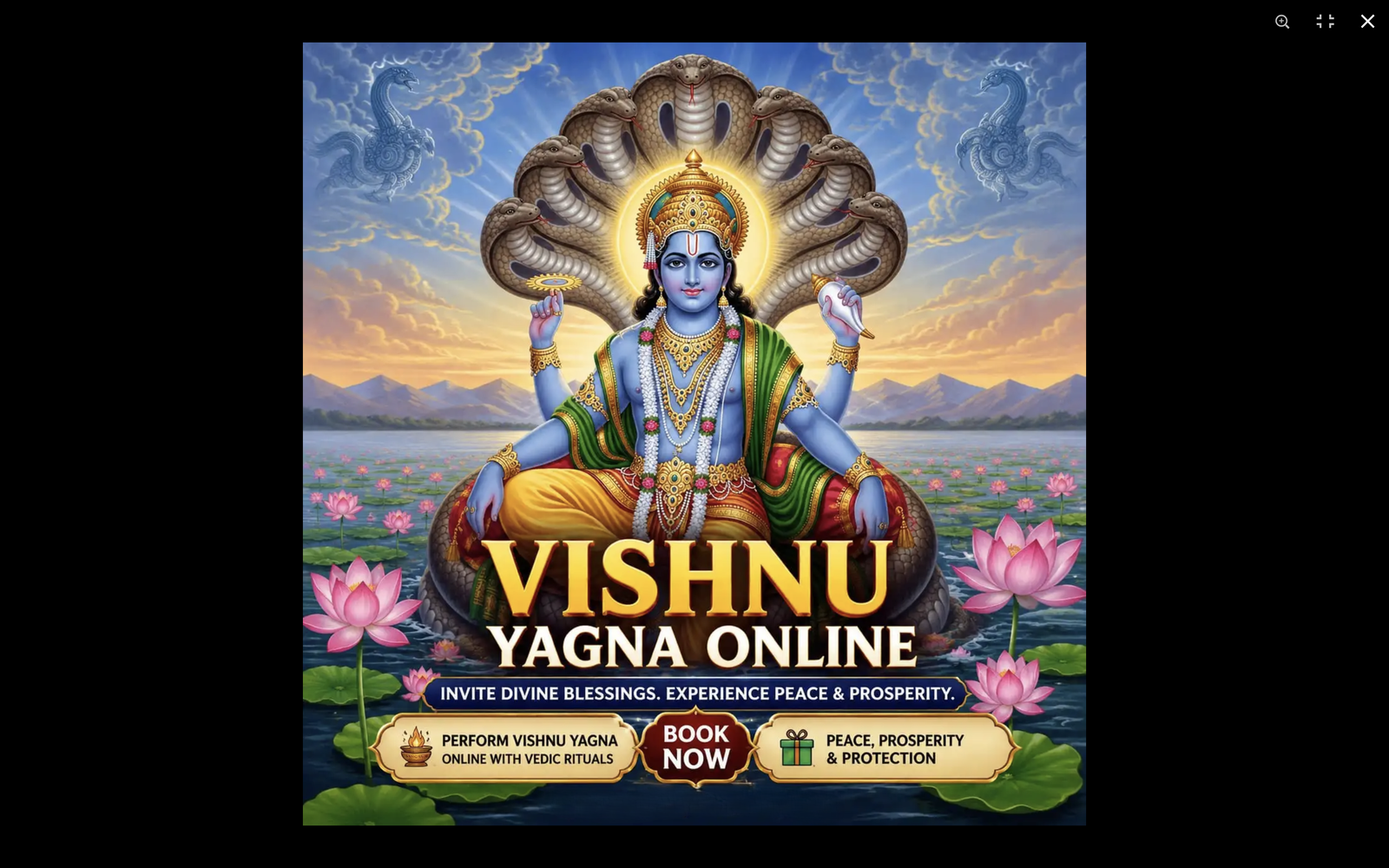
The Vishnu Sahasranama Path is a highly revered Vedic chanting ritual dedicated to Lord Vishnu, the supreme preserver of the universe. It involves the recitation of the 1,000 distinct names of Vishnu, aimed at bringing peace, prosperity, and spiritual purification to the devotee's life.
Found within the Anushasana Parva of the epic Mahabharata, the Vishnu Sahasranama (literally meaning "thousand names of Vishnu") was famously delivered by the grandsire Bhishma to King Yudhishthira on the battlefield of Kurukshetra. When asked how mankind could attain peace and liberation from the bondage of karma, Bhishma declared that meditating upon and chanting the thousand names of the omnipresent Lord Vishnu is the ultimate solution.
The text is composed in poetic stanzas (shlokas). Each name of Vishnu represents a unique attribute, virtue, or cosmic function—such as Vishvam (He who is the universe itself), Achyuta (The infallible one), and Govinda (The protector of the cows and the earth). Chanting or listening to this path is considered an absolute cleansing mechanism for both the mind and the surrounding environment, aligning individual consciousness with the divine preservation energy.
Removes Negative Energies & Doshas: Neutralizes malefic planetary alignments (especially problems associated with Mercury, Saturn, and Jupiter) and dissolves bad karma.
Reduces Stress & Anxiety: The precise phonetic vibrations of the Sanskrit names act as sound therapy, calming the nervous system, bringing immense mental peace, and alleviating fear.
Grants Prosperity & Health: Historically believed to bestow long life, cure chronic illnesses, bring financial stability, and attract Lakshmi (goddess of wealth and consort of Vishnu).
Fulfills Pure Desires: It is stated in the text itself that whoever listens to or recites these names daily with devotion will never encounter failure or insurmountable hardships.
Spiritual Evolution: Gradually purifies the subconscious mind (Chitta Shuddhi), paving the path toward detachment (Vairagya) and ultimate liberation (Moksha).
Timing: The most ideal time is during Brahma Muhurta (early morning before sunrise) or evening hours. Wednesdays, Ekadashi days, and Saturdays are considered exceptionally auspicious.
Purity: Take a bath, wear clean or traditional clothes, and sit facing East or North on a prayer mat (Asana).
Altar Preparation: Place an image or idol of Lord Vishnu (or Krishna) on a clean platform. Light a ghee lamp (Diya) and incense sticks. Offer fresh flowers and a small bowl of water, fruits, or sweets (Prasad).
2. Core Recitation Steps
Achamanam & Pranayama: Take three small sips of water while chanting Vishnu's names to purify the speech and body, followed by deep breathing to steady the mind.
Sankalpa: Hold a little water, rice, and flowers in your right hand. State your name, current astrological details, and the specific intention behind the path (e.g., family well-being, health recovery, or spiritual growth) and let the water drop to the floor.
Dhyana Shlokas: Recite the introductory verses that meditate upon the magnificent cosmic form of Lord Vishnu holding the conch (Shankha), discus (Sudarsana Chakra), mace (Gada), and lotus flower.
The Path Recitation: Recite the 108 stanzas containing the 1,000 names with clear pronunciation and steady speed. If someone is unable to read Sanskrit fluently, listening to the chant with absolute focus and closed eyes yields equivalent benefits.
Phalashruti: Conclude by reading the final verses that detail the fruits/benefits of reciting the path, validating the devotion.
3. Conclusion
Aarti & Pushpanjali: Wave a camphor or ghee light in front of the deity while singing the Vishnu Aarti. Offer flowers to the feet of the Lord.
Kshama Prarthana: Recite a short prayer asking for forgiveness for any unintentional mistakes made in pronunciation or ritual sequence during the chant. Distribute the blessed Prasad to family members.
No reviews yet. Be the first to review this puja after booking.
Login to write a review.